Why Is “Shell” Spelled with Two L’s? The Buzz Off Miss Pill Rule

By admin

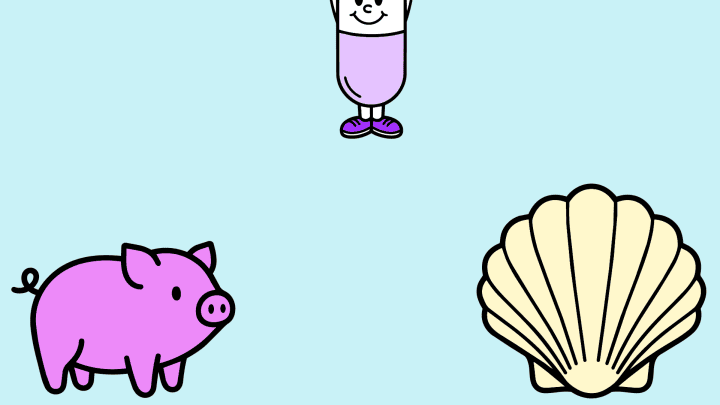
Understanding the Buzz Off Miss Pill rule solves a common question early readers ask: why is the word “shell” spelled with two Ls, while the word “pig” ends with just one G? To an elementary student navigating language-based learning differences, English spelling often feels like a collection of arbitrary traps. Words appear to follow clear…

Why Is There a “D” in Bridge but Not Cage? The Soldier Rule in Spelling

By admin

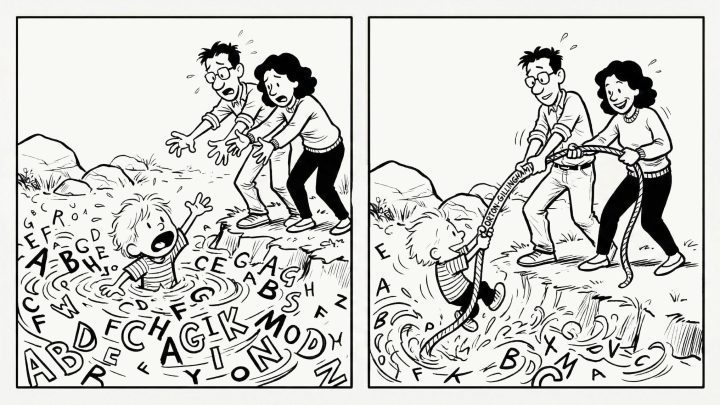
Understanding the Soldier Rule in spelling solves one of the most frustrating spelling mysteries elementary students face: why is the word bridge spelled with a d, while cage has no d at all? For a child navigating dyslexia or language-based learning differences, silent letters in English often feel like deliberate obstacles. When children are expected…

Morphology Reading Strategies: The “Mighty Morphin” Way to Decode Big Words

By admin

Implementing explicit “morphology” reading strategies is one of the most effective ways to transform a struggling reader into a confident, independent decoder. Go Go Morphology! Remember when “Morphin Time” meant saving the world? In structured literacy and Orton-Gillingham instruction, “morphing” is how our students save their reading comprehension. Morphology is the study of how words change form…

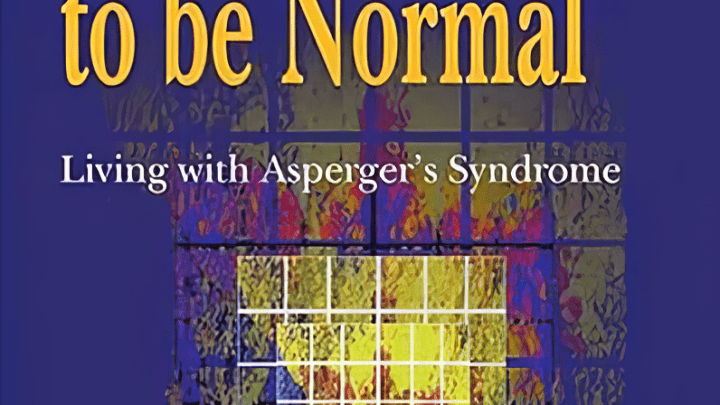
Pretending to be Normal – Liane Holliday Willey

By admin

SHOP As an Amazon Affiliate we may earn commissions from purchases made from links below. Pretending to be Normal tells the story of a woman who, after years of self-doubt and self-denial, learned to embrace her Asperger’s syndrome traits with thanksgiving and joy. Chronicling her life from her earliest memories through her life as a…

The Worried Child – Paul Foxman Ph.D

By admin

SHOP As an Amazon Affiliate we may earn commissions from purchases made from links below. Anxiety in children diminishes their intellectual, emotional and social development, as well as physical health. Author Paul Foxman believes there are three interacting ingredients that contribute to anxiety in children — biological sensitivity, personality, and stress overload. The Worried Child…